Center for Advanced Materials
The Center for Advanced Materials is a team of scientists, with specialized expertise in materials engineering, dedicated to the design and development of advanced manufacturing techniques and technologies related to the shaping, processing and testing of materials.
The main objective of CZM ‘s work is to conduct advanced scientific research and develop innovative manufacturing technologies, covering all stages of the process from concept to final product. The research topics carried out support the development of various sectors of the economy through the introduction of innovative solutions in materials engineering, while taking into account specific applications for the foundry, aerospace and energy industries. As part of its activities, CZM focuses on development in the following research areas:
Areas of activity:
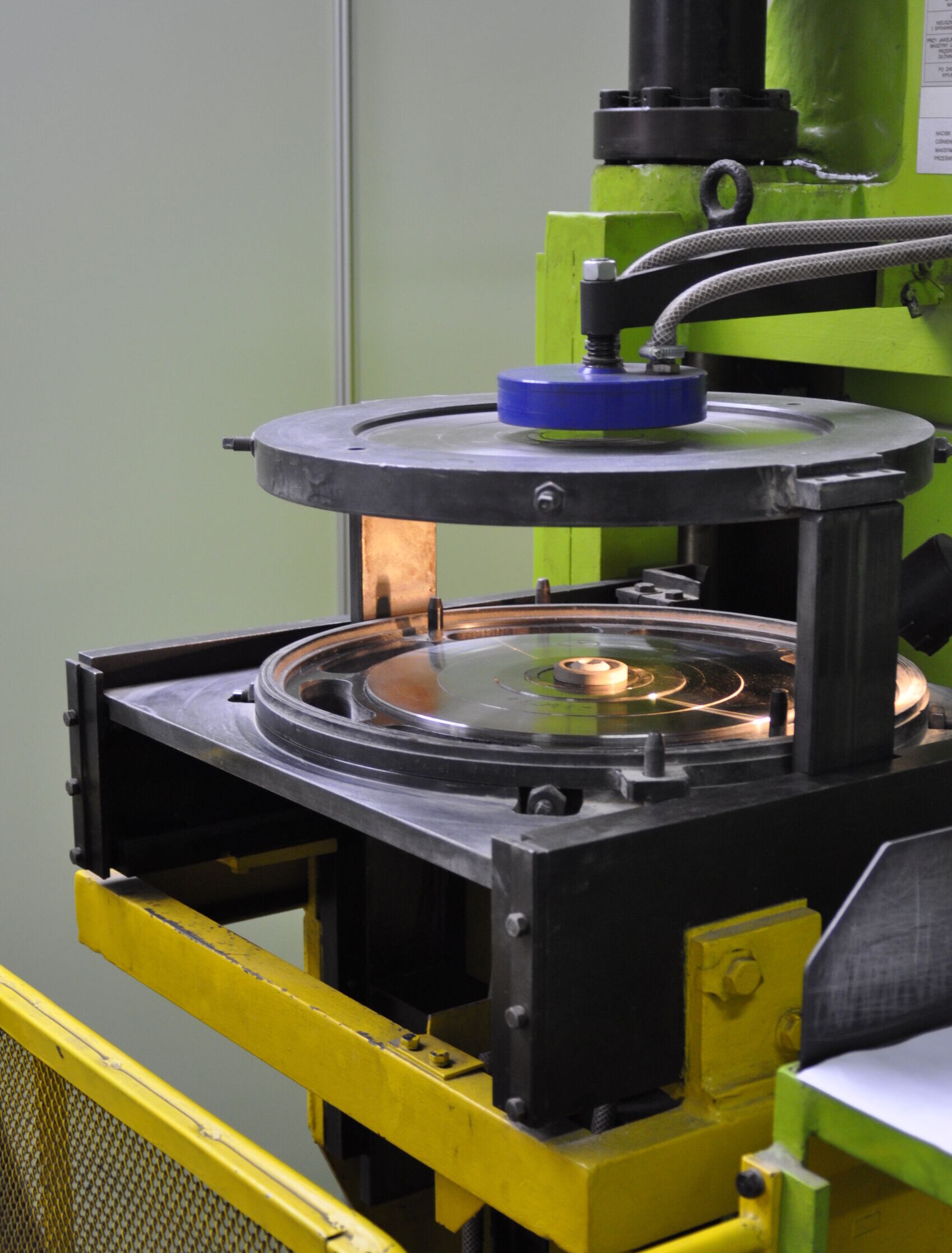
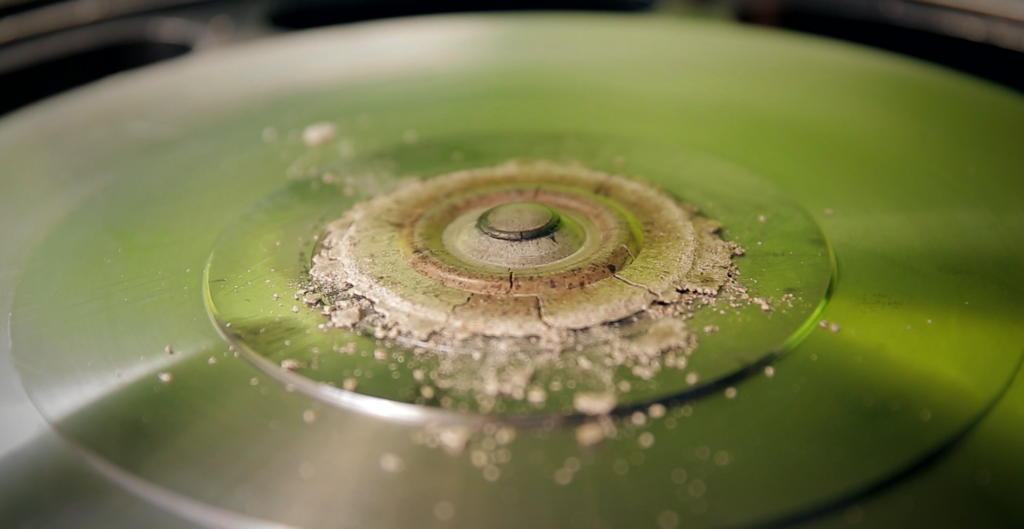
Sintering Techniques Area and Powdered Materials and Processes Area.
Areas conduct research to develop ceramic composite technologies, including superhard composites and composites with recycled materials obtained by advanced sintering methods (SPS, HPHT, MW, etc.):
- Superhard materials based on regular boron nitride for machining applications on Inconel-type nickel superalloys and other hard-to-machine materials, as well as for innovative applications on electronic components, including heat dissipation in high-power electronic components.
- Ceramic composites, various types, mainly obtained by SPS – Spark Plasma Sintering and HPHT – High Pressure, High Temperature methods.
Machining and Tooling Area
The area conducts research focusing on technologies for the manufacture of highly processed products, especially by chip and surface-crushing methods that contribute to the ecological and sustainable development of a knowledge-based, innovative and productive economy.
Work is underway on the development of selected surface layer modification technologies to increase the durability of tools, machine parts and other products – through the use of various processing methods, including mechanical (turning, milling), plastic (burnishing) or tribologically advanced super-hard PVD coatings with targeted wear quality – in line with the Industry 4.0 concept.
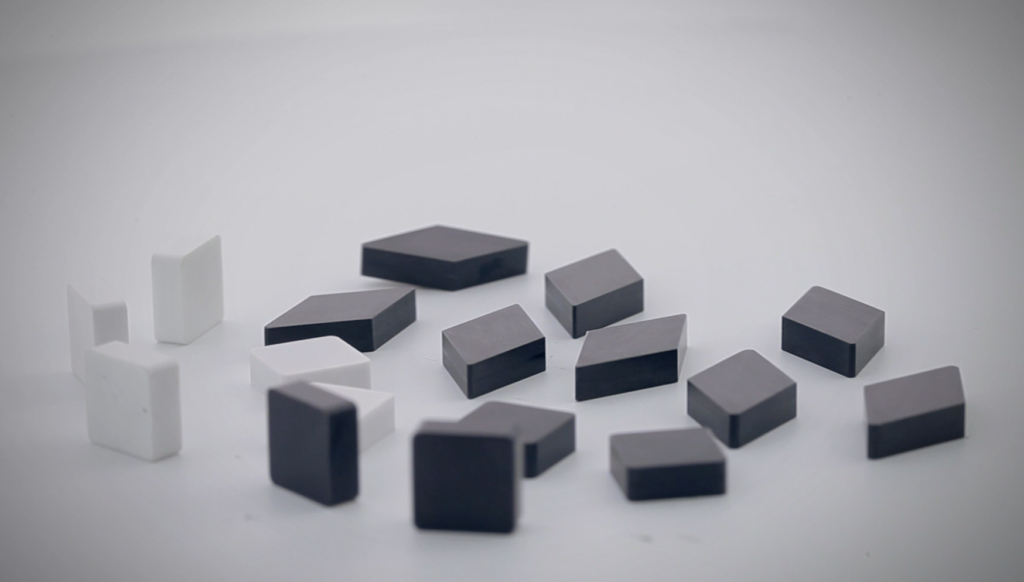
High Temperature Research Area
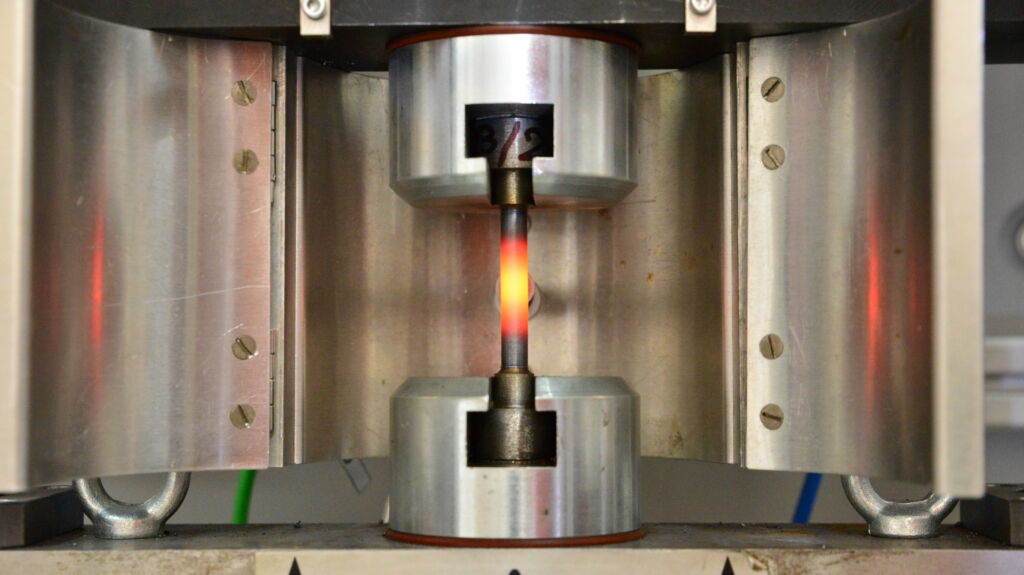
The area conducts basic, developmental and industrial research related to the design and manufacture of dedicated structural and functional materials of the group:
- Ultra-high-temperature composites of the MMC or CMC type including metal-ceramic composites with carbon, carbide, silicide, boride and nitride materials;
- New lightweight composites based on high-melting metals and intermetallic phases and interstitial compounds with ultra-high oxidation resistance, super hardness and resistance to high-temperature tribological wear;
- Porous materials made of modern heat-resistant and heat-resistant alloys for aerospace applications (lightweight heat exchangers, sealing materials, energy-absorbing materials).
Research is being conducted into the functional properties of high-temperature materials for thermal energy storage (TES) systems.
High-Temperature Corrosion Research Area
The area conducts research on the degradation of materials used in the energy industry and in aviation. The conducted issues are related to the demonstration of degradation mechanisms in relation to two main phenomena: oxidation processes and corrosion processes, which are performed with the participation of oxidizing atmospheres (air, steam). Another group of studies carried out at the Institute is research in reducing atmospheres, e.g. a mixture of Ar and Cl2,H2S, SO2 (up to 1% by volume),CO2 and others.
Material groups studied:
- Metal alloys based on iron, nickel, titanium, cobalt and other heat-resistant alloys,
- Oxide Dispersion Strengthened alloys (Oxide Dispersion Strengthened alloys – ODS),
- High entropy metallic alloys (High Entropy Alloys – HEA),
- metallic alloys printed using Laser Power Bed Fusion (LPBF) 3D printing and others.
In the laboratory, it is possible to test the heat resistance of metallic materials coated with heat-resistant coatings:
- Thermal sprayed (e.g., High Velocity Oxy Fuel (HVOF) Air Plasma Spray (APS),
- applied from the gas phase of the Physical Vapour Deposition (PVD) type,
- powder-applied (diffusion coatings) using active chemical compounds like AlCl3,
- obtained in the process of recycling waste steel with high Cr content.
Energy Storage Technologies.
We conduct scientific research and research and implementation work in the field of improving existing and developing new solutions for the fuel and energy sectors
and metallurgy. The team has suitably equipped laboratories for electrochemistry, photochemistry, cell and battery testing, hydrometallurgy, and material characterization by SEM-EDS, XRD, and UV-Vis methods.
The scope of the area’s activities includes:
- Recycling of waste lithium-ion batteries
- Testing electrode materials for modern batteries
- Catalytic production and storage ofH2
- Industrial wastewater treatment
- Electrochemical depolymerization of biomass
- High purity materials in photovoltaic applications
CONTACT
Director of the Center for Advanced Materials
PhD, DsC Eng. Daniel Tobola
e-mail: daniel.tobola@kit.lukasiewicz.gov.pl
tel. +48 12 63 17 251